

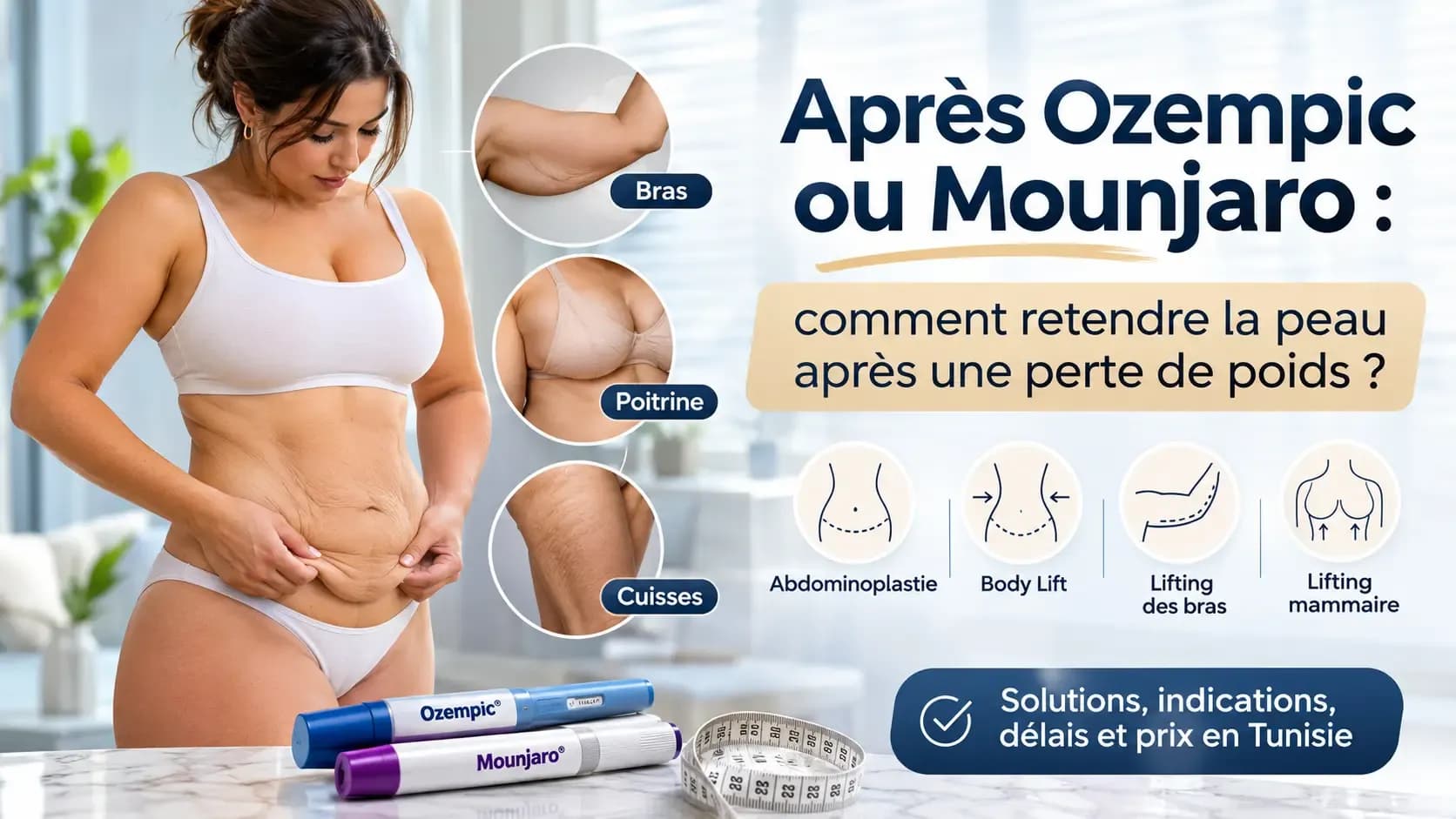
Loose Skin After Ozempic or Mounjaro: How Can You Tighten It?
Have you lost 10, 20 or even 30 kilograms with Ozempic, Mounjaro or another weight-management treatment? Despite this major transformation, you may now be facing a new concern: loose skin around your stomach, sagging upper arms, excess skin on your thighs or breasts that have lost their firmness. After significant weight loss, your skin does not always return to its original shape. Why does this happen? Can loose skin tighten naturally? And which surgical procedures can help remove excess skin? ServiHealth Tunisia explains the possible solutions for restoring a more balanced body contour after weight loss.
Why Does Skin Become Loose After Ozempic or Mounjaro?
Ozempic contains semaglutide, while Mounjaro contains tirzepatide. These medications are prescribed for specific medical conditions, including type 2 diabetes and, depending on the medication and country, weight management. They act on mechanisms involved in appetite and satiety and may lead to substantial weight loss.
However, contrary to a common misconception, these medications do not directly cause excess skin. Skin laxity is primarily associated with the reduction in underlying fat and the skin's limited ability to contract after weight loss.
When skin has remained stretched for several years, its collagen and elastin fibres may lose some of their ability to return to their previous shape. As fat volume decreases, the skin envelope may remain larger than the underlying body contours.
Several factors influence this process:
- The amount and speed of weight loss.
- Age and natural skin elasticity.
- How long the skin remained stretched.
- Previous pregnancies and weight fluctuations.
- Genetic factors and individual skin characteristics.
- Smoking, nutritional status and certain medical conditions.
Two people who lose the same amount of weight may therefore experience very different degrees of skin sagging.
For further information about weight-management medications, see the French national health insurance guidance on obesity treatments.
Which Areas of the Body Are Most Affected by Loose Skin?
Loose skin after significant weight loss can affect several areas of the body. Its severity depends on fat distribution, skin elasticity and the total amount of weight lost.
Stomach: Loose Abdominal Skin and an Abdominal Apron
The abdomen is one of the areas most commonly affected by major weight loss. Excess skin may form a fold that hangs over the lower abdomen or pubic area, sometimes referred to as an abdominal apron or pannus.
In more pronounced cases, this excess skin can cause friction, irritation, discomfort in clothing or difficulties with certain physical activities.
When skin laxity is significant, a tummy tuck in Tunisia, also known as abdominoplasty, may be considered.
This operation removes excess abdominal skin and, where medically indicated, may also repair separated abdominal muscles.
Upper Arms: Sagging Skin After Weight Loss
Following substantial weight loss, the skin along the inner upper arms may become noticeably loose. This is often particularly visible when raising the arms or wearing sleeveless clothing.
If natural skin contraction is insufficient, an arm lift in Tunisia, also called brachioplasty, may help remove excess skin and improve the shape of the upper arms.
The procedure leaves a scar, the position and length of which depend on the amount of skin that needs to be removed.
Thighs: Loose Skin and Discomfort When Walking
Fat loss around the thighs can leave stretched skin, especially along the inner thighs. In some cases, skin folds may cause rubbing and discomfort during walking or everyday activities.
A thigh lift in Tunisia may be considered to remove excess tissue and improve the contour of the legs.
Breasts: Loss of Volume and Sagging
For some women, significant weight loss leads to reduced breast volume. The breasts may appear deflated, less firm or more droopy because the skin envelope has not contracted sufficiently.
Depending on the individual situation, different approaches may be discussed:
- A breast lift to reshape and reposition the breasts.
- A breast lift combined with implants when additional volume is desired.
- A breast lift combined with fat transfer when body shape and available fat reserves make this possible.
Learn more about the available techniques, scars and recovery on our breast lift in Tunisia page.
Face: What Is Ozempic Face?
The expression "Ozempic face" has become popular on social media to describe a face that appears thinner, hollow or more saggy after considerable weight loss.
As facial fat decreases, the cheeks may lose volume, facial folds may become more noticeable and some wrinkles may appear deeper.
This is not an effect unique to Ozempic. Similar changes can occur after significant weight loss through other methods.
Depending on the patient's concerns, options may range from non-surgical aesthetic treatments to selected facial procedures. A personalised assessment is necessary to determine whether any treatment is appropriate.
Can Loose Skin Tighten Naturally After Weight Loss?
One of the most frequently asked questions after major weight loss is whether the skin can return to its original firmness without surgery.
The answer mainly depends on the severity of the skin laxity.
When skin elasticity is still relatively good and the excess skin is limited, some gradual improvement may occur after body weight stabilises.
Several healthy habits can help support overall skin health:
- Maintaining a balanced diet with sufficient protein intake.
- Following an appropriate physical activity programme, including strength training.
- Avoiding smoking, which can also impair wound healing.
- Preventing nutritional deficiencies with professional medical guidance.
- Keeping the skin moisturised and limiting excessive sun exposure.
- Allowing body weight to stabilise before considering cosmetic surgery.
Important: exercise and firming creams cannot remove a significant amount of excess skin. Strength training may improve muscle definition and the overall appearance of the body, but it cannot eliminate a large abdominal apron or major hanging skin folds.
Which Surgical Procedures Can Remove Loose Skin After Ozempic or Mounjaro?
When significant weight loss leaves substantial excess skin, body contouring surgery may offer a possible solution.
The appropriate procedure depends on the areas affected, skin quality, overall health and individual expectations.
Tummy Tuck: Removing Excess Abdominal Skin
A tummy tuck, or abdominoplasty, removes excess skin from the abdominal area. It can also be combined with abdominal muscle repair when necessary.
This procedure may be considered when the stomach remains noticeably loose after pregnancy or significant weight loss.
Body Lift: Reshaping Several Areas of the Body
Following major weight loss, excess skin may extend beyond the abdomen to involve the hips, lower back and buttocks.
A lower body lift is a procedure designed to remove excess skin around a larger portion of the lower torso.
It may be considered when skin laxity affects several areas and a standard tummy tuck would not adequately address the patient's concerns.
However, this is a more extensive procedure. It involves longer scars, potentially more demanding recovery and risks that must be carefully assessed before surgery.
Arm Lift and Thigh Lift
Arm lifts and thigh lifts are designed to remove excess skin from the upper arms and thighs.
These procedures may be performed separately or considered as part of a broader body contouring plan.
The decision to combine operations depends on the patient's medical condition, the expected operating time and the potential risks associated with a longer procedure.
Can Liposuction Tighten Loose Skin?
It is essential to distinguish between excess fat and excess skin.
Liposuction in Tunisia removes localised fat deposits, but it does not remove excess skin.
When the skin has lost significant elasticity, removing fat alone may actually make sagging more noticeable.
This is why a tummy tuck, arm lift, thigh lift or another skin-removal procedure may sometimes be more appropriate.
To better understand the difference, read our guide: Liposuction: Which Areas Can Be Treated and What Results Can You Expect?
How Long Should You Wait After Ozempic or Mounjaro Before Cosmetic Surgery?
Before considering body contouring surgery, it is important for body weight to be sufficiently stable.
Undergoing surgery while continuing to lose a significant amount of weight may lead to further skin laxity and changes in the surgical result.
Many surgeons prefer patients to maintain a stable weight for several months, often at least six months. A longer period may be recommended following massive weight loss or bariatric surgery.
The appropriate waiting period depends on several factors:
- Current body weight and recent weight changes.
- Whether further weight loss is planned.
- Nutritional status and dietary stability.
- Existing medical conditions, including diabetes.
- Current medications and other treatments.
- The type and extent of the proposed operation.
The surgeon and anaesthetist must also determine whether the patient's overall medical condition is suitable for surgery.
Should You Stop Ozempic or Mounjaro Before Anaesthesia?
Patients taking Ozempic, Mounjaro or similar medications must inform their anaesthetist before any planned surgical procedure.
These medications may delay gastric emptying. In some patients, this can increase the possibility of stomach contents remaining present during general anaesthesia or deep sedation, with a potential risk of aspiration.
Current medical guidance supports an individualised approach. Some patients may continue their medication, while others may require additional precautions or changes to their treatment plan.
Never stop Ozempic, Mounjaro or another prescribed medication without guidance from your prescribing doctor and anaesthesia team.
For further information, consult the multisociety clinical guidance on GLP-1 medications before surgery.
What Results Can You Expect From Loose Skin Removal Surgery?
Body contouring surgery aims to remove selected areas of excess skin and improve body proportions after significant weight loss.
Depending on the procedure, potential benefits may include:
- Reducing large or uncomfortable skin folds.
- Improving the contour of the abdomen, arms or thighs.
- Creating more balanced body proportions.
- Reducing certain problems associated with skin friction.
- Making some types of clothing more comfortable to wear.
However, realistic expectations are essential. Surgery cannot guarantee perfect symmetry or permanently tight skin.
It also results in scars, whose length and location depend on the amount of excess skin removed.
Possible complications include wound-healing problems, infection, haematoma, seroma and blood clots. The level of risk depends on the procedure and the patient's medical condition.
Results are generally more durable when body weight remains stable after surgery.
The American Society of Plastic Surgeons also highlights the importance of maintaining a stable weight to help preserve body contouring results.
How Much Does Loose Skin Removal Surgery Cost in Tunisia?
The cost of surgery for loose skin after weight loss depends on several factors, including the areas being treated, the amount of excess skin, the complexity of the operation and the patient's medical needs.
At ServiHealth Tunisia, different body contouring procedures are available with personalised coordination of the medical stay.
As a general indication, tummy tuck surgery starts from €2,200. More extensive procedures, such as a body lift, require an individual assessment and quotation.
Depending on the procedure and selected package, the quotation may include medical and surgical fees, hospitalisation, postoperative garments, airport transfers, accommodation and assistance during the stay.
Flights, certain preoperative examinations and personal expenses may not be included. The exact services and exclusions are specified in each patient's personalised quotation.
Visit our cosmetic surgery prices in Tunisia page to learn more about available procedures and pricing.
Frequently Asked Questions About Loose Skin After Ozempic or Mounjaro
Can Skin Tighten After Losing 20 Kilograms?
Yes, some natural skin contraction is possible. However, the degree of improvement depends on age, skin elasticity, the duration of previous excess weight and the areas affected. Losing 20 kilograms does not automatically mean surgery will be required.
How Long Does It Take for Skin to Tighten After Weight Loss?
Skin may continue to change for several months after weight stabilisation. There is no universal recovery timeline, and substantial excess skin may remain despite exercise or cosmetic skincare products.
Can You Have a Tummy Tuck After Mounjaro?
Yes. A tummy tuck may be considered after weight loss with Mounjaro, provided that body weight is sufficiently stable, the patient's overall health is suitable and the surgical and anaesthetic assessments are satisfactory.
Can Liposuction Remove Hanging Skin?
No. Liposuction primarily removes localised fat deposits. If substantial excess skin is present, a tummy tuck or another lifting procedure may be required to remove the loose tissue.
Can Several Lifting Procedures Be Performed During One Medical Stay?
Some combinations are possible, but they are not automatically recommended. The patient's overall health, operating time, potential complications and recovery requirements determine whether procedures should be combined or performed in separate stages.
Can Skin Become Loose Again After Surgery?
Yes. Significant weight fluctuations, natural ageing and individual skin characteristics may gradually affect the result, even after a properly performed operation.
Restore Your Body Contours After Weight Loss With ServiHealth Tunisia
Losing weight with Ozempic, Mounjaro or another medical or lifestyle approach can be a major achievement. However, when skin does not return to its previous firmness, it is understandable to explore options for improving your body shape.
There is no single treatment suitable for everyone. Some people may experience gradual natural improvement, while others have significant excess skin that may benefit from a surgical assessment.
At ServiHealth Tunisia, we assist international patients with the assessment of their cosmetic surgery project, the organisation of their medical stay and postoperative follow-up.
A personalised assessment helps identify the areas of concern, understand individual expectations and explore potentially suitable procedures, subject to confirmation by the surgeon and anaesthetist.
Have you lost a significant amount of weight and are concerned about loose abdominal skin, sagging arms or excess skin around your thighs? Request your free personalised quote from ServiHealth Tunisia to learn more about the procedures that may be appropriate for you and how your medical stay can be organised.
Medical disclaimer: This article is provided for general information only and does not replace professional medical advice. The suitability, risks and contraindications of any treatment or surgical procedure must be assessed individually by qualified healthcare professionals.
Read next
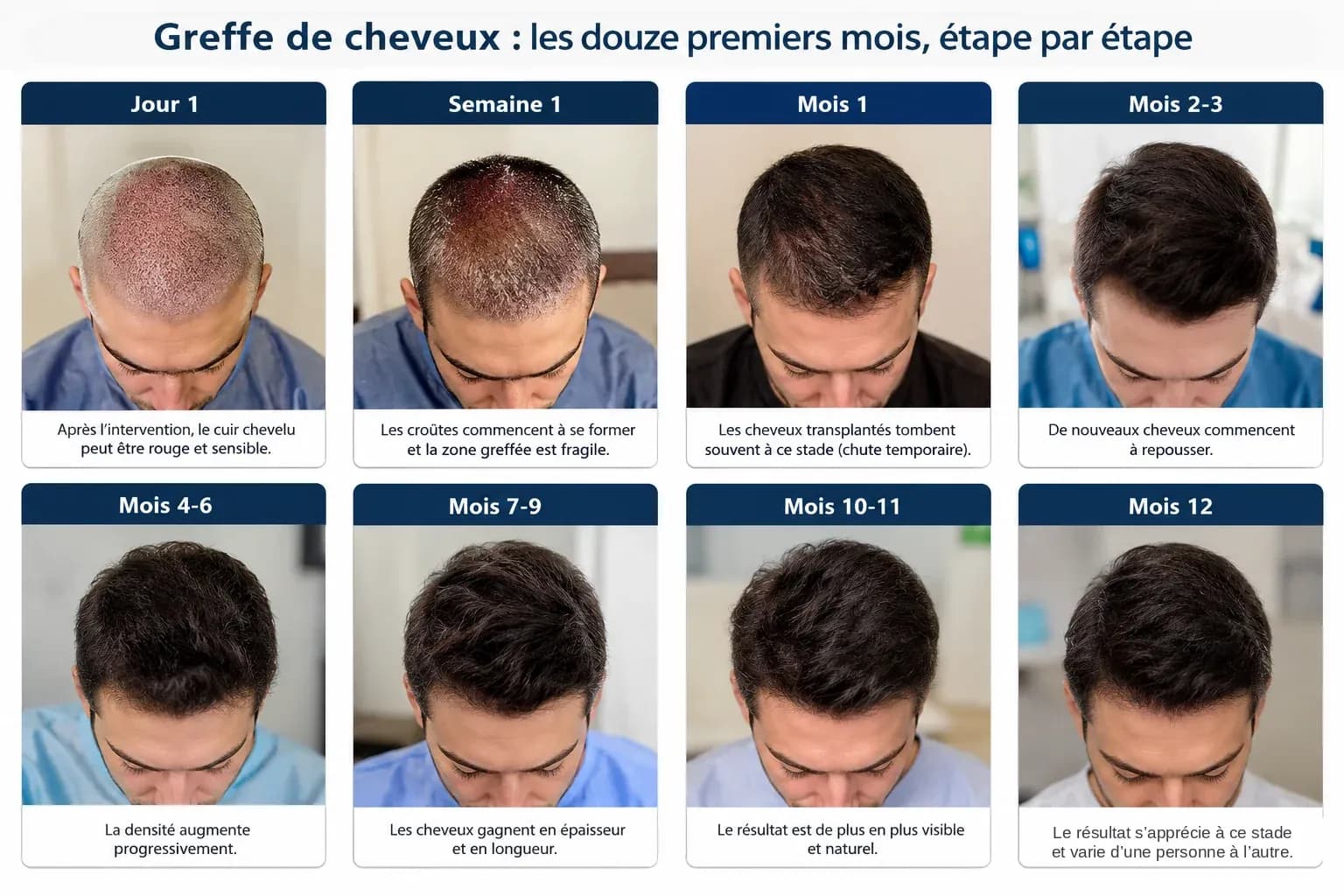
Hair transplant: the first twelve months, step by step
The shedding in the first month worries almost everyone and is not a failure. Here is what is documented about year one, and what is not.
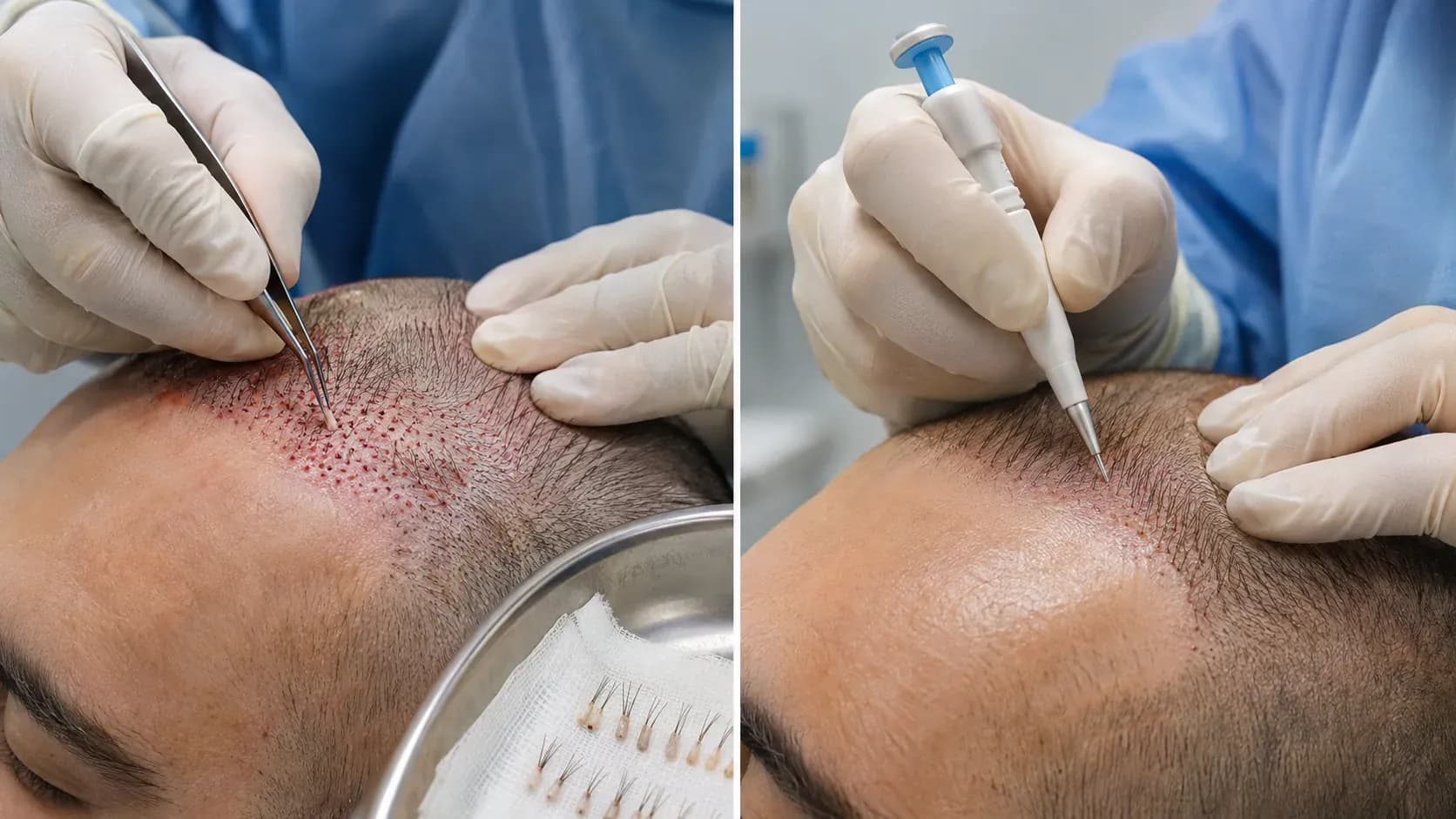
FUE vs DHI: what actually changes, and what does not
Both methods harvest the same follicular units. What separates them is the placement step, and three other factors matter more.
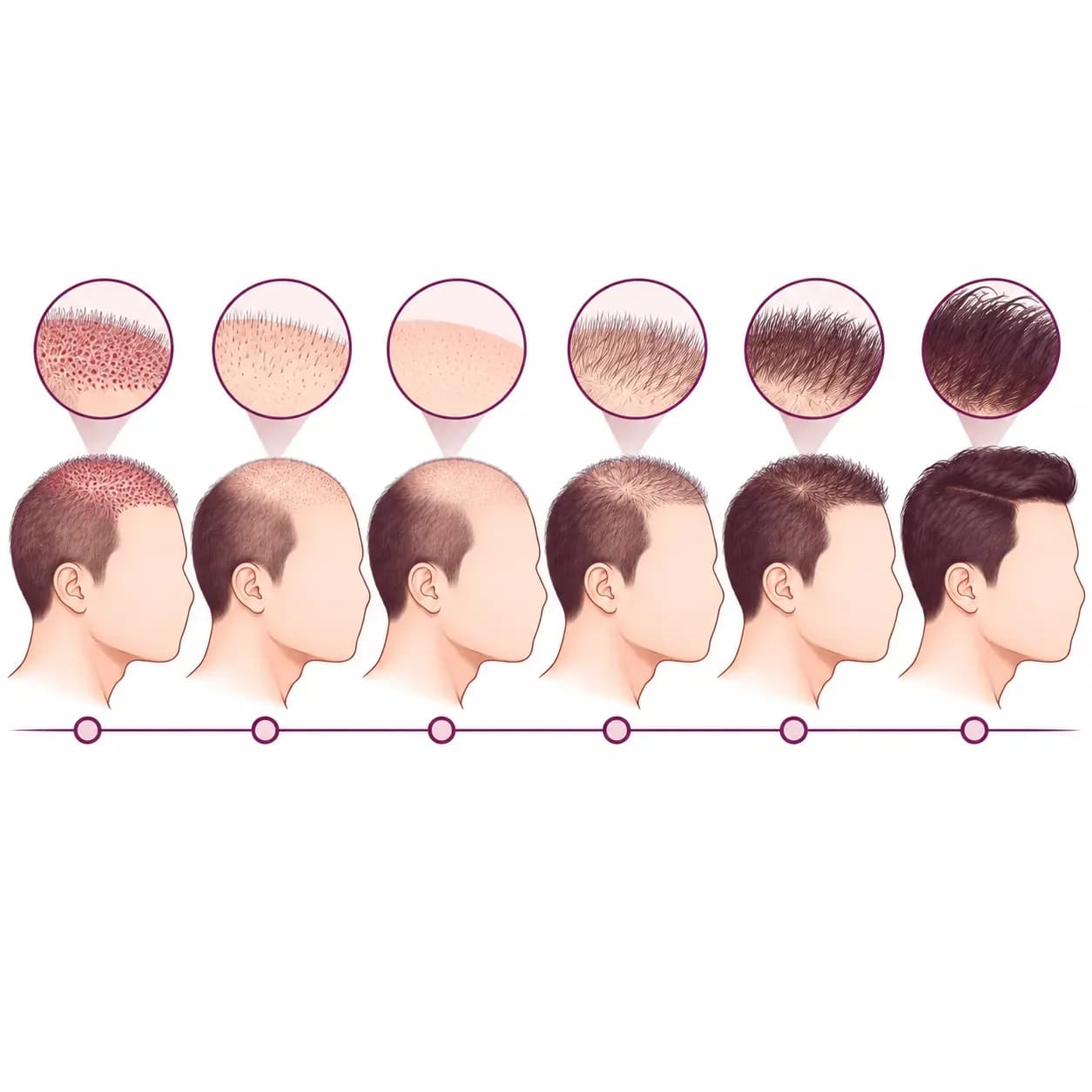
Hair transplant in Tunisia: when can you go back to work?
Crusts, swelling, a shaved donor area: what shows after a hair transplant and for how long, with return-to-work timelines by type of job.